There is no doubt that your restaurant's POS system serves as the backbone of your operational workflow. Selecting the right system is absolutely critical—perhaps even more so than your menu itself—since menus can always be updated, but a POS system is a long-term commitment. So how do you choose the perfect POS system for your specific restaurant brand?
Most restaurant owners have fallen into a common trap: when first opening their doors, they get swept up by a vendor's grandiose claims—“Use this one! It’s fantastic!”—only to discover that, once they start using it, the interface lags and key features are incomplete or broken. Frustrated, they decide to switch providers. They do their homework—researching, reading reviews, and consulting peers—yet often settle on a system that seems “good enough.” The result? They continue paying monthly subscription fees while seeing little to no growth in orders.
The POS systems currently on the market vary widely in their capabilities. While many claim to be “user-friendly,” the actual functionality can be complex. Let’s break it down: which features truly matter, and which can you safely ignore?
If you’re still using pen and paper or a heavy on-site server, you’re at a disadvantage. In 2026, a POS isn’t optional—it’s essential.
What “cloud-based” means: your data is no longer tied to a physical machine. You can access real-time sales and reports from home, a coffee shop, or the restaurant floor via a tablet. Instant access empowers faster decisions, smoother operations, and timely adjustments—the true value of a modern POS.
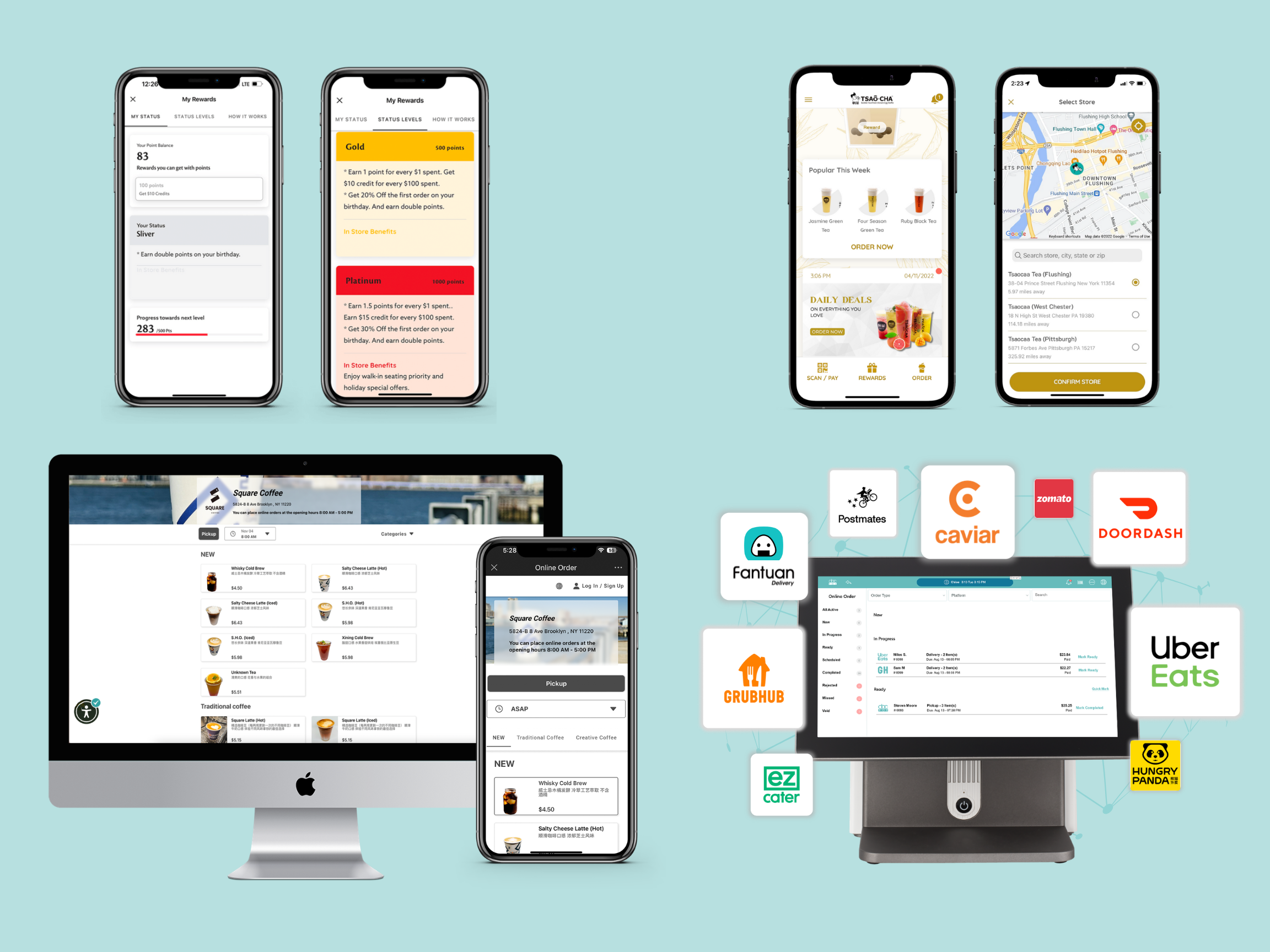
Different restaurants have different needs. Some niche systems offer simple, intuitive interfaces tailored to specific concepts, like a pizzeria. They may be easy to use but often lack robust reporting, reliable online ordering, or integration with third-party delivery apps.
If your operation is simple, a niche system may suffice. But for long-term growth, look for a POS that consolidates multiple modules:
An integrated system like this not only simplifies daily operations but also provides the infrastructure for future growth, helping your restaurant run smoothly today while preparing for expansion tomorrow.
Payment processing fees are a significant recurring expense. It’s important to look past low software subscription prices and analyze processing rates.
Benchmark: Many competitive providers offer comprehensive credit card rates at or below 3%.
The Math: A “free” software plan with a 4% processing rate can be more expensive in the long run than a paid plan with a 2.6% rate once your order volume increases.
Recommendation: Carefully review contracts for hidden transaction fees or “liquidation damages” before signing.
A critical question is whether your POS can grow with your business. Can it support multiple operational models? For example, one location may use tableside ordering while another relies on self-service kiosks. Very few POS providers today truly deliver a unified interface across these scenarios, but identifying one that does provides a clear advantage.
If your current needs are simple—managing a single store with a consistent interface and minimal reporting—you don’t need to worry immediately. However, when planning to expand or diversify your service styles, having a POS that supports multiple workflows and functionalities becomes essential. Look for systems designed to handle multi-location, multi-mode operations; these are the platforms that will scale with your growth.
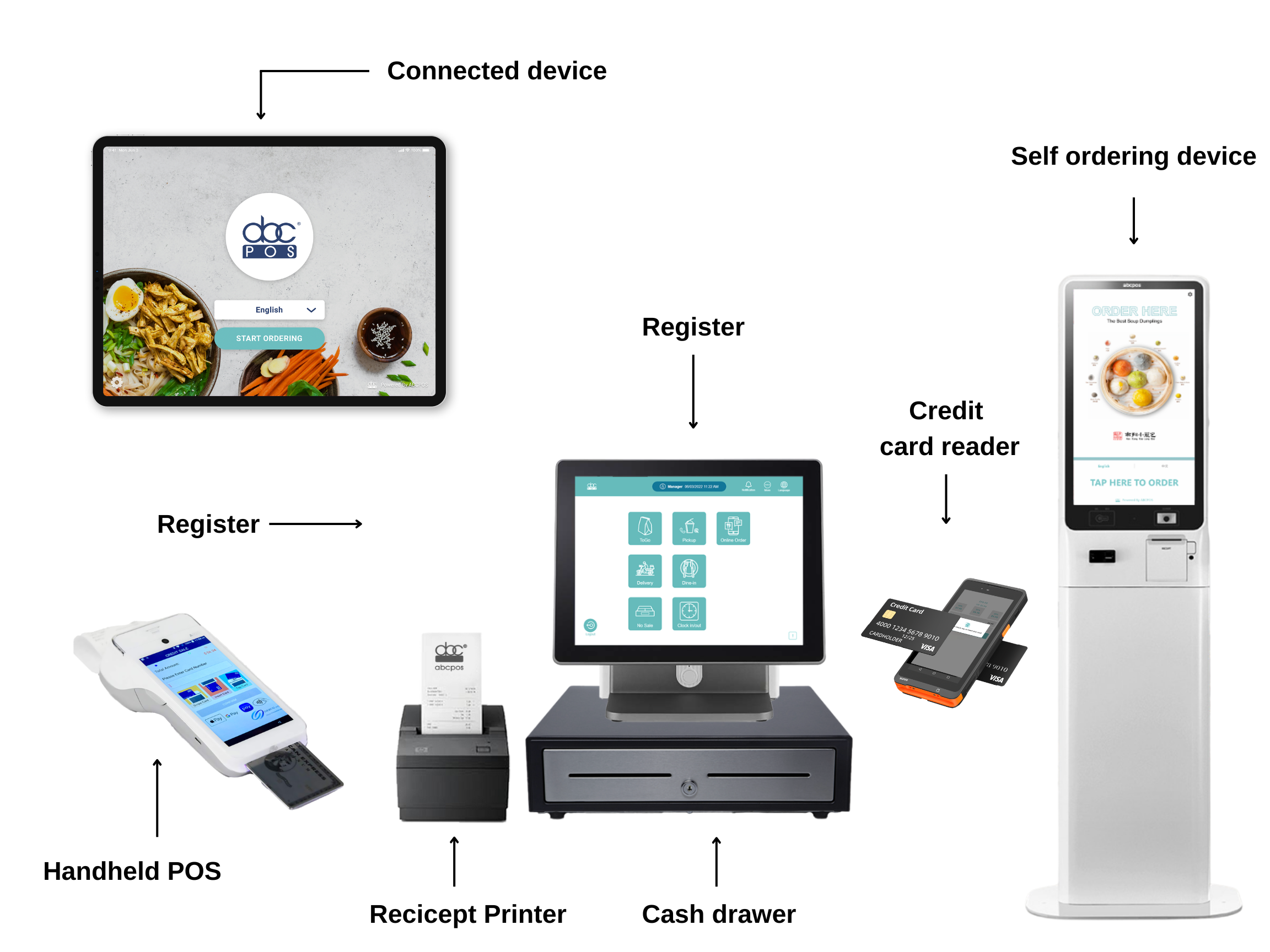
A great POS system does more than offer robust features—it should integrate seamlessly with other applications, providing a solid foundation for your restaurant’s success. Whenever possible, opt for a full suite from the same POS provider. Systems designed to work together reduce friction, simplify operations, and minimize training time, letting your team focus on what matters most: serving customers.
If your menu is complex, your POS must handle step-by-step selections with precision, ensuring every order is accurate and meets customer expectations.
This is why choosing the right POS system is more important than almost any other operational decision. It’s not just a software purchase—it’s a long-term partnership at the heart of your daily operations. Your POS directly impacts revenue, so proper setup from day one is essential. Partnering with a reliable provider ensures smooth operations and prevents costly mistakes, inefficiencies, or lost profits down the line.
Q1: How do I know if a POS system is truly scalable?
Look for a system that supports multiple operational models, such as tableside ordering, self-service kiosks, and online ordering integration. Ask whether the same interface can manage all locations and workflows—few systems on the market handle this seamlessly, so confirmation is key.
Q2: Should I choose a POS system just because it’s cheap?
No. Low subscription fees may hide high transaction processing rates. Analyze the total cost of ownership, including credit card fees and add-ons. Sometimes a paid plan with lower processing rates is more cost-effective in the long run.
Q3: Can I switch POS systems later if my restaurant grows?
Technically yes, but switching is complex, time-consuming, and often disruptive to operations. Choosing a reliable, flexible system from day one saves headaches and ensures your setup grows with your business.
Q4: How important is cloud-based functionality?
Essential. Cloud-based POS allows real-time access to sales, reporting, and analytics from anywhere. It enables faster decision-making, smooths operations, and supports multi-location management.
Q5: What role does digital inclusivity play in my POS choice?
Ensuring your online menu is ADA-compliant makes your restaurant accessible to more customers, reduces legal risk, and enhances your brand reputation. Accessibility is increasingly expected, not optional.
Fill out the form below to receive:
Product demo videos/live Demo and see pricing


Copyright © 2024
A registered ISO of Wells Fargo Bank, N.A., Concord, CA
Abacus Business Computer


