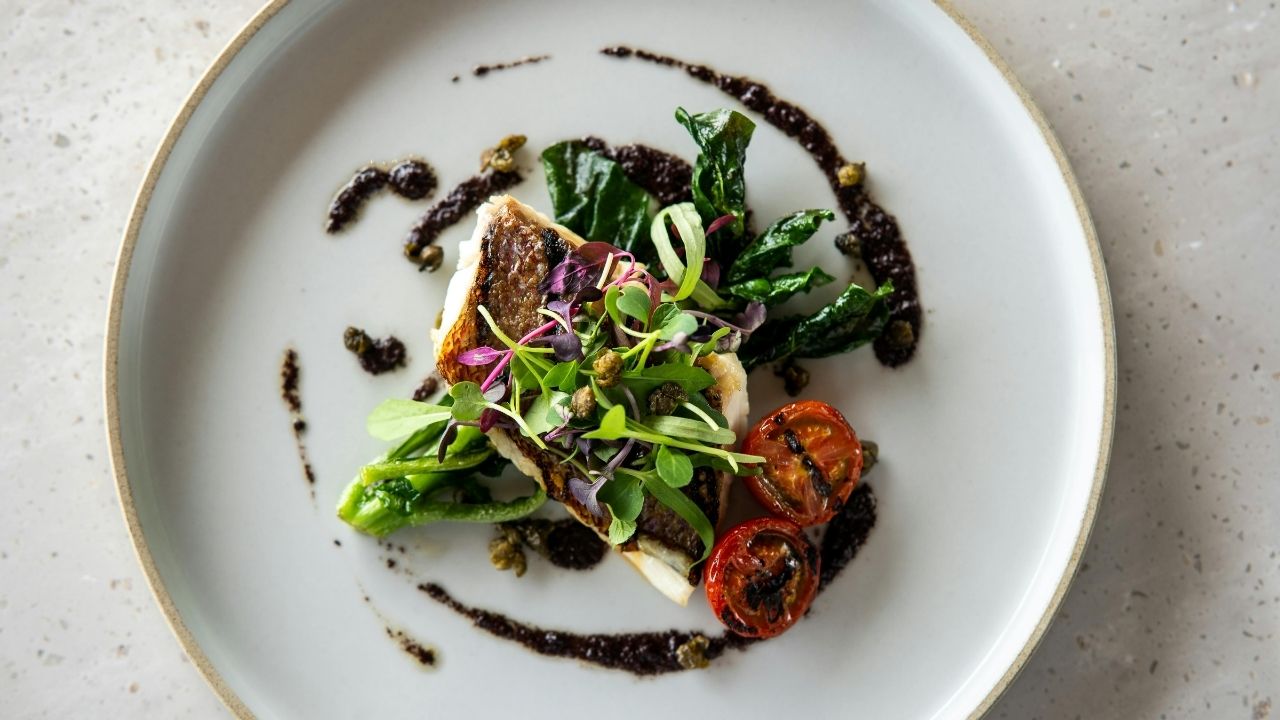
In the global restaurant industry, Fine Dining is no longer just a label for high-end restaurants; it has become a high-profit, high-barrier business model. Increasingly, restaurant brands view opening a Fine Dining establishment as a core strategy to enhance brand value and create a flagship experience. If you plan to launch such a restaurant, understanding its business logic, cost structure, and market trends is crucial.
Launching a Fine Dining restaurant requires careful planning, precise execution, and an understanding of both market and operational dynamics. This guide offers actionable steps backed by relevant data to help restaurant owners in 2026.
Fine Dining restaurants focus on premium ingredients, attentive service, and immersive experiences. In cities like New York, Tokyo, and Paris, average guest spend ranges from $150 to $300 per person, with top-tier experiences exceeding $2,000. Studying local competitors and consumer behavior helps identify demand gaps and ensures pricing aligns with the expectations of high-income clientele who typically dine for special occasions.
Location impacts both revenue and costs. Prime urban areas can drive 12–18% of revenue to rent, while first-tier city locations may cost three times more than suburban sites. Assess nearby foot traffic, complementary businesses, and accessibility to balance visibility with operating costs, as even small differences in location can significantly affect profitability.

Startup costs for a Fine Dining restaurant in a major city can range from $500,000 to over $1 million, including rent, kitchen equipment, staff recruitment, and interior design. Labor typically accounts for 30–35% of costs, and ingredients about 22–28%. Forecast average check, table turnover, and potential beverage revenue, and plan for efficiency improvements through technology and workflow optimization.
High-quality ingredients and consistent execution are essential. Offering tasting menus or wine pairings can increase per-guest revenue by 20–40%. Focus on presentation, plating, and service rituals to create an immersive experience that justifies premium pricing. Seasonal menus can maintain interest while controlling ingredient costs.
Staff quality drives guest satisfaction. Experienced chefs and servers improve efficiency and maintain Fine Dining standards. Staff training can improve service consistency, and cross-training reduces mistakes during peak hours. Labor investment correlates with guest satisfaction scores, which often influence repeat business and online reviews.
Reservation systems help manage table flow and reduce wait times, potentially increasing revenue by 10–15%. Digital wine lists, inventory tracking, and AI ordering reduce errors and food waste, which can lower ingredient costs by 5–10%. Monitoring data on sales and customer preferences allows for timely adjustments to maximize profitability and guest experience.
Marketing should highlight unique aspects of your Fine Dining restaurant. Professional photography and digital content can increase engagement by 25–35%. Targeted campaigns to high-income neighborhoods or via partnerships with luxury brands can enhance visibility. Tracking customer feedback helps refine offerings and maintain a high perceived value, critical in competitive markets.
Regularly analyze financials, menu performance, and guest satisfaction metrics. Adjust pricing, service workflows, or menu items based on observed trends. Introducing seasonal or limited-time offerings can boost revenue by 5–15% while keeping the experience fresh. Staying informed about industry trends, including experiential and digital innovations, helps maintain a competitive edge.
So, how do you proceed? Start with your vision: Are you creating a destination Fine Dining experience that stands out in the market? Next, assess your resources: running a Fine Dining restaurant typically requires higher capital, detailed staff training, premium ingredients, and careful operational planning. Finally, consider your location and audience—because even the most well-designed Fine Dining concept may struggle if it doesn’t align with your target clientele.
The good news is that modern restaurant management tools can support your Fine Dining operations, helping you streamline workflows, track sales, manage menus, maintain customer loyalty, and optimize staff performance, so your restaurant can scale efficiently while delivering an exceptional experience.
1. How do I estimate the right staff-to-guest ratio for a Fine Dining restaurant?
High service standards require careful planning. Consider peak hours, table turnover, and the complexity of your menu to determine how many chefs, servers, and support staff are needed. Proper staffing ensures smooth operations without overstaffing or compromising guest experience.
2. Should I offer a tasting menu from the start?
Yes, if your concept emphasizes a premium experience, but start small to test logistics and ingredient sourcing. ABC POS can help you to build a limited tasting menu helps manage kitchen workflow, control costs, and gauge guest interest before expanding.
3. Can a Fine Dining restaurant thrive without a strong social media presence?
No, digital visibility is increasingly important. High-end customers often discover new restaurants online, check reviews, and expect visual storytelling of the dining experience. Social media can drive reservations and build brand prestige.
4. Is it necessary to invest in advanced restaurant management technology early on?
Yes, adopting the right system early can help prevent operational bottlenecks and management issues as a restaurant grows. Systems like abcPOS provide reservation management, inventory tracking, and guest insights, helping Fine Dining restaurants reduce errors, optimize workflows, and improve service consistency.
5. How can I plan for seasonal fluctuations in revenue?
Fine Dining often sees peaks during holidays and special occasions. Offering seasonal menus, hosting exclusive events, and adjusting staffing and inventory ahead of time can help stabilize revenue during slower periods.
Fill out the form below to receive:
Product demo videos/live Demo and see pricing


Copyright © 2024
A registered ISO of Wells Fargo Bank, N.A., Concord, CA
Abacus Business Computer


